
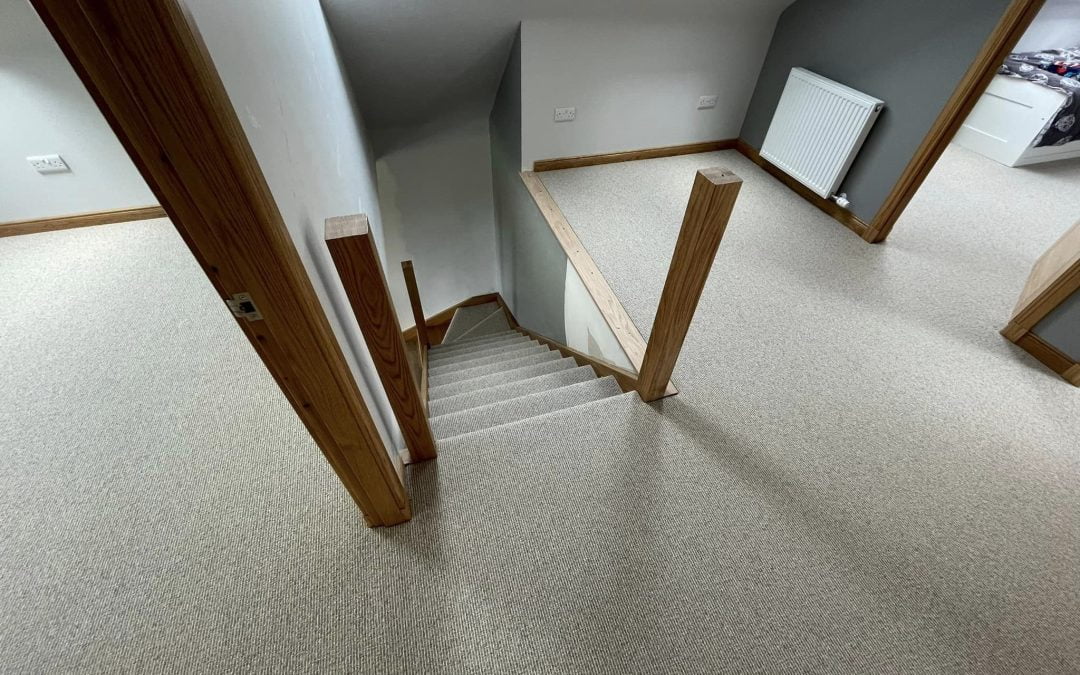
The importance of flooring cannot be described in words, whether it is for a home or a commercial building. However, the requirements for the two are quite different. Residential Aberdeen flooring is all about comfort, style, and personal preferences. On the other hand, commercial flooring has to withstand constant foot traffic and heavy use. This difference means that you have to plan a commercial flooring project differently. It is much more technical and has to last longer than residential installations. Everything from material strength and maintenance requirements to safety standards and usage patterns must be considered before installation starts.
What Are the Differences between Commercial and Residential Flooring Planning
The design of commercial flooring enables it to withstand much greater pressure and more rigorous use than residential flooring. In a home, flooring choices are based entirely on comfort and aesthetics, whereas in commercial buildings they are based on durability, long-term performance, and safety compliance. Therefore, the planning process must take into account how the space will be used every day, how many people will walk on the surface, and the type of maintenance required to keep it in good condition.
Durability and Higher Foot Traffic
One of the most noteworthy differences in commercial Aberdeen flooring arises from the level of foot traffic it withstands every day. Establishments such as retail stores, offices, and public buildings are frequented by hundreds of people, placing significant pressure on floors. Naturally, you need to choose something known for withstanding daily wear and tear, scratches, and long-term damage. A residential property does not require this level of durability, allowing homeowners to choose softer, more decorative options.
Safety and Compliance
The floor of a commercial building has to fulfil specific safety standards depending on the type of building. In other words, you must choose materials based on fire ratings, accessibility requirements, and slip resistance. All these regulations are designed to protect visitors, customers, and employees, making compliance a crucial aspect. Residential flooring, however, is not subject to any such stringent safety regulations.
Maintenance and Long-Term Upkeep
Another major difference between a commercial and residential floor is maintenance. The floor of a commercial building must be easy to clean and maintain daily. In such high-traffic areas, materials that need frequent or specialised maintenance have no place. In that regard, residential flooring is much more flexible, with usage levels much lower and maintenance schedules less demanding.
Choosing Materials Based on Usage
Selecting the right material is a mission-critical part of planning a commercial flooring project. Some of the best options are laminate, vinyl, and heavy-duty carpet because they can withstand continuous use without deteriorating quickly. For a home, material selection is more influenced by design preferences, comfort, and budget than by high durability requirements.
If you are going to install new commercial Aberdeen flooring, you have to approach the project in a more strategic, detailed manner than with residential flooring. Commercial floors have entirely different functional demands due to their usage intensity. Let White STAG Flooring help you with the task. We can find the perfect flooring that meets your requirements and budget. Here, we prioritise functionality, practicality, and strength to ensure you have a high-quality, long-lasting floor.